
English| EUR
Suggested for you
More currencies
Choose a language
Planning an arikok national park aruba jeep tour requires knowing the specific entry logistics for this protected desert landscape. This guide details the mandatory conservation fees, vehicle access rules, and daily operating schedules you need for a smooth arrival. We also cover how an arikok national park aruba jeep guide navigates the rugged terrain to key coastal sites.
Quick answer
To join an arikok national park aruba jeep tour, visitors must pay a mandatory 22 USD conservation fee per person at the San Fuego entrance. The park operates daily from 08:00 to 16:00, making early morning arrivals crucial. While standard rental cars face restrictions on the unpaved routes, a certified off-road vehicle or guided 4x4 excursion guarantees safe passage to remote coastal zones.
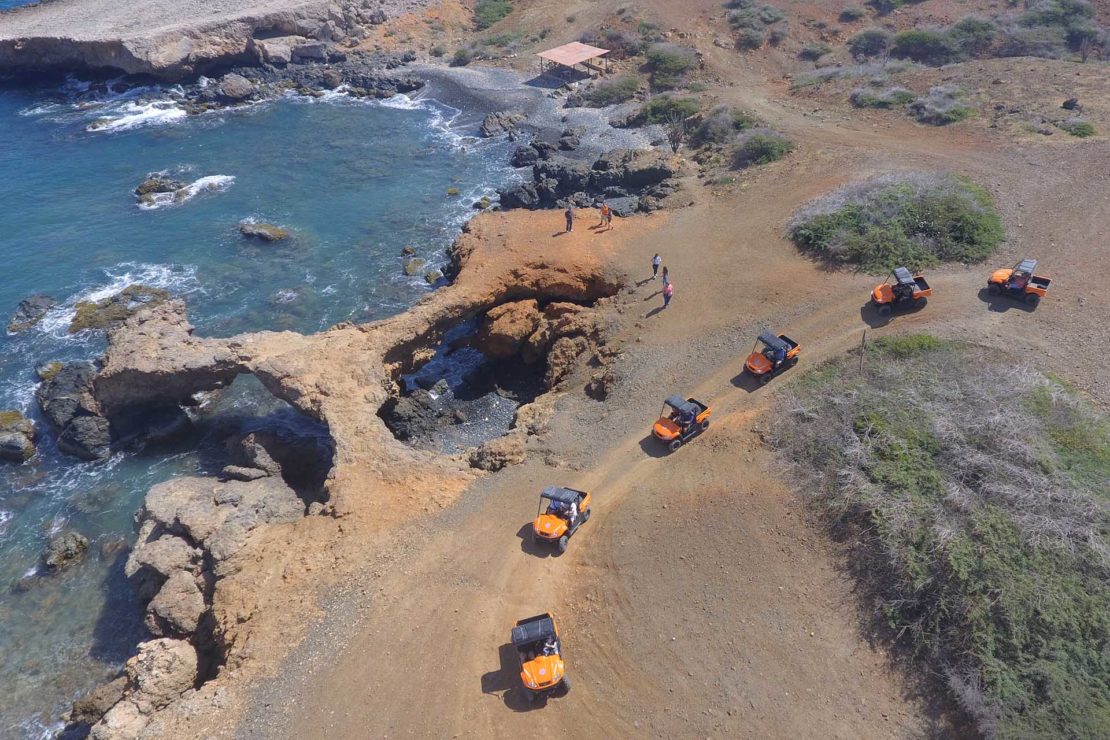
Almost 20 percent of the island's total landmass falls under the protection of this vast nature reserve, characterized by complex geology and harsh climate conditions. Because the terrain features deep ruts, loose gravel, and steep inclines, navigating the interior requires specialized transport. Preparing for an arikok national park aruba jeep tour begins with understanding the specific regulations governing off-road access and environmental preservation. The management authority enforces strict vehicle standards to protect both the fragile desert ecosystem and visitor safety. Standard passenger cars are prohibited from attempting the rugged trails that lead toward the rugged eastern coastline. Instead, heavy-duty 4x4 vehicles are mandatory for traversing the interior roads safely. When planning your excursion, factoring in the visitor requirements at the main gates ensures immediate access without administrative delays. Upon arrival at the facility, every guest must present valid identification and settle the mandatory conservation tariff. This contribution directly funds the ongoing maintenance of the trails, wildlife protection initiatives, and the preservation of historical sites located throughout the arid landscape. Rangers stationed at the entry points routinely inspect vehicles for proper ground clearance and four-wheel-drive capability before granting permission to proceed into the deeper sectors. For those without an appropriate personal rental, joining a structured Aruba desert safari provides the required transportation alongside specialized route knowledge. These organized groups handle the logistical hurdles, allowing participants to focus entirely on the surroundings rather than navigation or vehicle capability. The geographical layout of the reserve presents distinct navigational challenges that influence how excursions operate throughout the day. Moving eastward from the visitor center, the paved roads quickly transition into deeply rutted dirt tracks surrounded by dense cactus forests and dramatic limestone cliffs. Drivers must engage low gear and proceed at cautious speeds to negotiate the sudden drops and rocky outcrops that define the route to sites like the Fontein Cave or the turbulent waters of Boca Prins. The island's highest elevation point, Mount Jamanota, serves as a central navigational landmark visible from most dirt trails, helping drivers maintain their bearings in the expansive desert landscape. Without local experience, visitors can easily underestimate the travel time required to cover seemingly short distances on the topographical map. Weather conditions heavily dictate the pacing and safety protocols of any National Park 4x4 guided trip. The arid environment absorbs solar radiation rapidly, elevating ground temperatures significantly by mid-morning. Open-air off-road vehicles expose passengers to both intense UV rays and the pervasive dust kicked up by tires on the unpaved tracks. Consequently, proper preparation requires adequate sun protection, secure clothing, and significant water reserves for every passenger. Dust mitigation is particularly important for those sitting in the rear beds of modified trucks or open-cab vehicles. Furthermore, drivers must remain vigilant for free-roaming wildlife, including indigenous goats and the Aruban whiptail lizard, which frequently cross the remote tracks. By adhering to the established route markers and following the speed limits, an arikok national park aruba jeep tour minimizes ecological disruption while providing access to the island's most isolated and preserved coastal features.
“The management authority enforces strict vehicle standards to protect both the fragile desert ecosystem and visitor safety.”
Arikok National Park maintains consistent operating hours throughout the week to accommodate visitors arriving for jeep tours. The park is open daily to the public.
Arikok National Park is located on the eastern side of Aruba. The primary visitor entrance is situated at San Fuego 70 in Santa Cruz.
Follow Route 4 toward Santa Cruz, then turn onto San Fuego road
Request a drop-off at the Arikok National Park Visitor Center
Pick-up services are included with most pre-booked excursions
Visitors should head directly to the Visitor Center at the main entrance to check in. Arriving early ensures you can navigate the park's terrain before the peak of the day.
Arikok National Park covers nearly 20 percent of the island, serving as a protected ecological reserve. Visitors on jeep tours are required to follow strict conservation rules to preserve the arid landscapes, limestone caves, and local wildlife.
Everything you need to know about arikok national park aruba jeep tour
While you do not need a reservation for general park entry, booking an arikok national park aruba jeep tour often includes guided transport and expert knowledge of the terrain. Check with your tour operator to confirm if they handle park access logistics for you. Entry fees are separate from any private tour costs.
The entrance fee is 22 USD per person. This conservation fee supports the preservation of the park's biodiversity and historical sites.
The park is open daily from 08:00 to 16:00. These hours apply Monday through Sunday, allowing visitors ample time to explore the trails and caves.
The best arrival window is 08:00–10:00. Arriving early helps you avoid the intense midday heat and ensures you experience the landscape before peak crowds arrive.
Yes, you can access the park independently, but an arikok national park aruba jeep tour provides specialized vehicles capable of navigating the rugged limestone landscape. Guided excursions offer safety and insights that self-driving may not cover.
Yes, these off-road excursions are generally family-friendly and provide a comfortable way to see natural landmarks like the Fontein Cave and Blue Lagoon. Always verify age requirements with your chosen operator before booking.
Bring plenty of water, sunscreen, and sturdy footwear to navigate the desert terrain. You may also want to carry a hat and camera to document the unique flora and geological features of this Aruba landmark.
The park is located at San Fuego 70, Santa Cruz, Aruba. Most visitors arrive via rental car or as part of a scheduled off-road transport service.